
Services · AI simulators
AI simulators: the customer tries, then buys.
Your customer uploads a photo and sees your product on themselves or inside their own home. Before ordering, before even asking you for a price.
The first step is free and it is not a quote: it is a real test on your own products.
Preview
Try it right here
Drag the handle to compare before and after. It is the same tool I install on the site of the person who is selling.
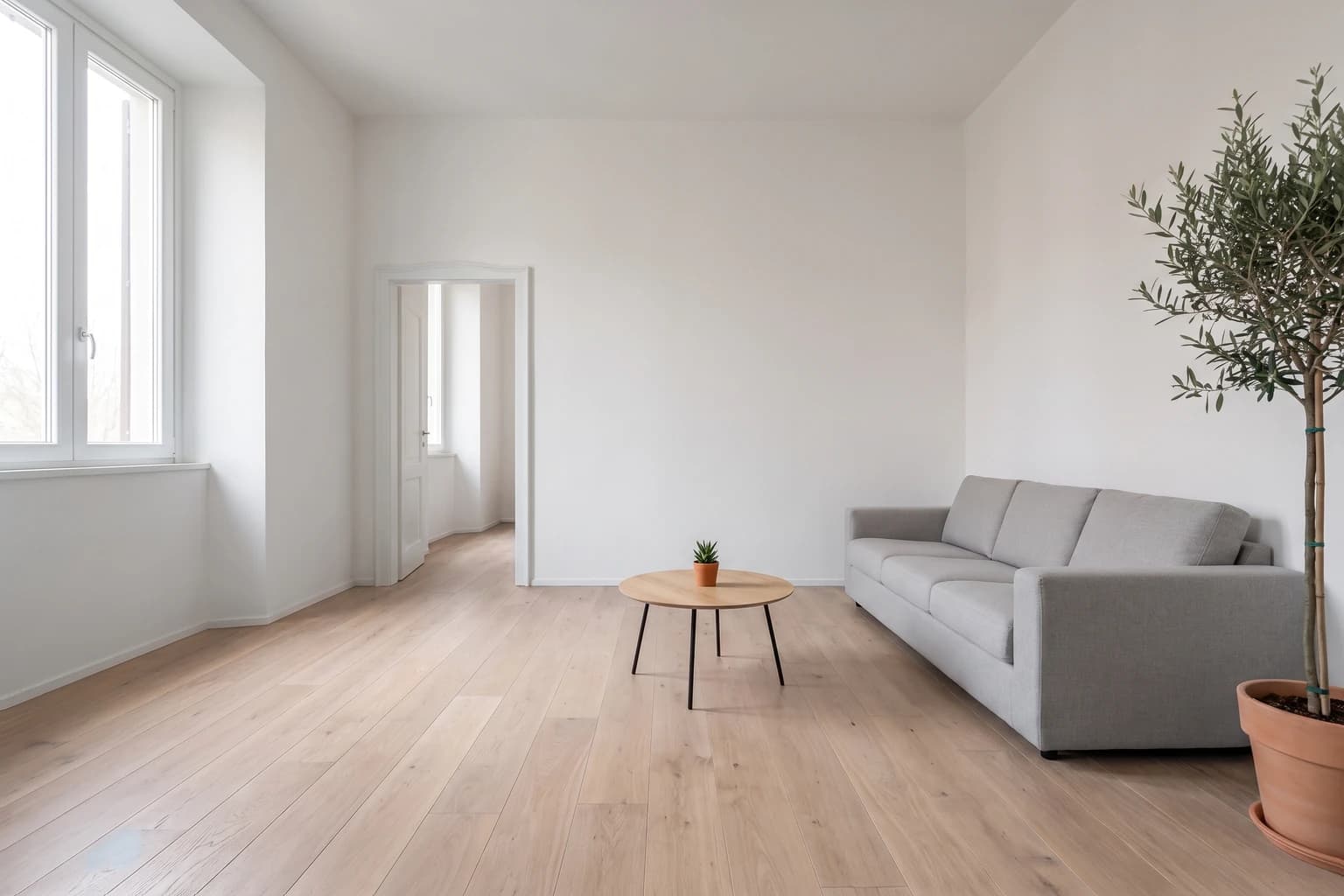
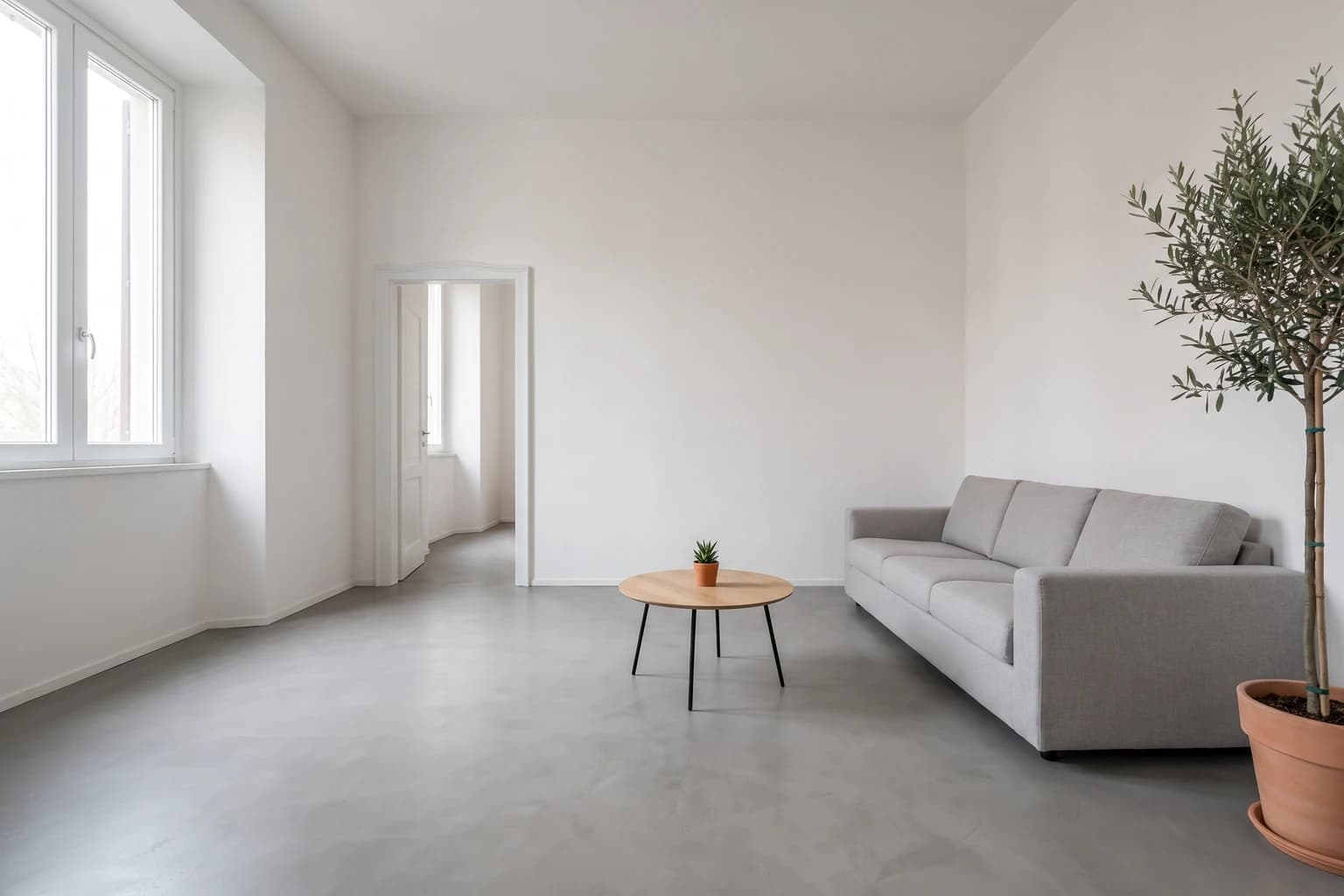
A demonstration. The real simulator works on the photo your customer uploads, not on images I prepared myself.
What it includes, item by item
The test on your photos, first
Before the quote I check how it comes out on your products. If it is not up to it I tell you.
The engine tuned to your product
Not a generic filter: the right rules for your surfaces and your materials.
Your variants, not fake ones
The colours, the materials and the models you can actually sell, loaded one by one.
The tool installed on your site
It works from a phone, where the customer already has the photo they need in their hand.
The request that reaches you
With what they had in mind inside it: you already know what to talk about when you call back.
The first year of support, free
If the simulator does not work I am the one who fixes it. From the second year the price depends on the work.
Where it works, and on which jobs
I have built four of them, for four different sectors.
It works for any craft job: wrapping a car, a floor, a haircut, a piece of furniture made to measure. They are all things the customer has to imagine before buying them, and as long as they are imagining it they can always say no. If instead they see it on their own car or inside their own home, they do not have to trust you any more: they are looking at the result.
Flooring and wall coverings
A twenty centimetre sample does not tell you how it will look across the whole living room.
Vehicle wrapping and body shops
Changing the colour of a car or wrapping a kitchen is a leap in the dark, until you see it.
Beauty and hairdressers
A cut and a colour get decided faster if you see them on yourself first.
Car restoration and modification
Wheels, stance and paint changed on a photo of your own car, one piece at a time.
What it costs, and how you start
There is no public price: three colours on a flat surface and a whole catalogue with different materials are two jobs a long way apart.
The first step is free and it is not a quote, it is a test.
Send me two photos
Your products, and a typical photo of the kind your customers would send. Email or WhatsApp is enough, wherever you are.
I run a real test
I run it before we talk about money. If the result is not up to it I tell you: a simulator that gets it wrong is worse than not having one.
You get a clear proposal
What it includes, what it costs, in what order it gets done. Free and with no obligation, and you read it having already seen the result on your own product.
What a simulator is, and why it can be done now
The simulator is the tool you tried at the top of the page: it sits on your site and shows the customer your product on their own photo, before they come and ask you for it. They take the photo with their phone, crooked and with the wrong light: that is fine.

In 2026
Why it could not be done before
To show a variant you needed a render made by hand, one per combination: on a whole catalogue that did not stand up. Today the result is produced by an artificial intelligence engine, on the photo the customer has just taken.
That engine did not exist until a few years ago, and it is the reason a preview can now be made in a few seconds and at a cost that stands up.
Every simulator has a different one. The wrapping engine has to keep the proportions of the car fixed, the one for restoration has to be able to change them: they are two different jobs, not two settings of the same tool.
Frequently asked questions.
The images above are ready made, built by me as an example: they are not a customer’s work. The real simulator, the one I install on your site, works on the photo your customer uploads at that moment and gives the result back to them. The demo is there to show you the effect, not to hide how it works.
On some categories the result is excellent, on others less so: wide surfaces and solid colours are the easy part, small details are the hard part. Before I propose it to you I run a test with your photos and your products, and we judge it together. If the result is not up to it I tell you: a simulator that gets it wrong is worse than not having one.
It depends on how many variants it has to handle and on how complex the product is. Three colours on a flat surface and a whole catalogue with different materials are jobs a long way apart. It always starts from the test: first we check how it comes out on your case, then I send you the quote.